#Natural #TwistOut #Hairstyles #Deep #Side #Parts
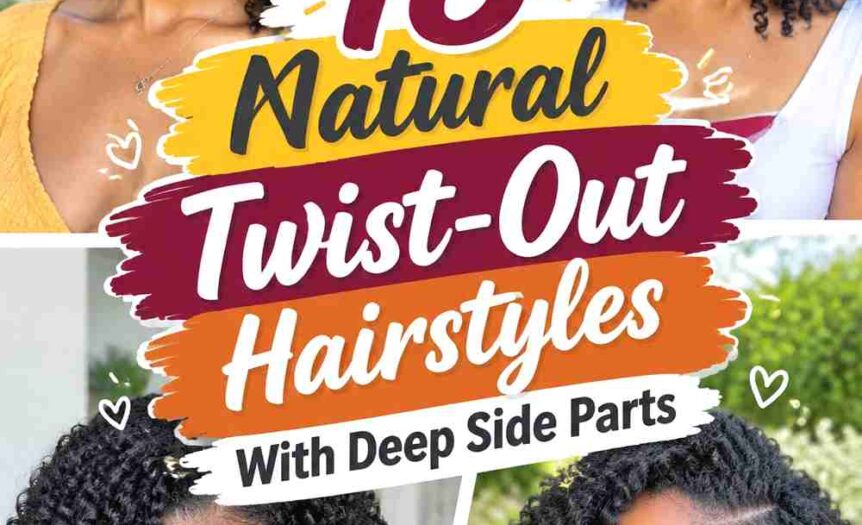
Defined twists, fluffy volume, and a dramatic deep side part come together in these natural twist-out hairstyles designed for movement and shape.
A deep side part can completely change the silhouette of a twist-out. Shifting more hair to one side naturally creates extra volume, exposes more of the opposite side, and gives the finished style a directional shape without requiring complicated pinning or accessories.
The best version depends on your length, density, shrinkage, twist size, and preferred level of definition. Smaller twists can create more detailed texture, while larger twists usually give a softer, fuller finish. Before styling, consider where you want the part to sit and how you want the heavier side to fall once the twists are fully separated.
Quick List
- Deep Side Parted Defined Twist Out Hairstyle
- Voluminous Twist Out With Deep Side Part Hairstyle
- Short Natural Twist Out With Deep Side Part Hairstyle
- Shoulder Length Twist Out With Deep Side Part Hairstyle
- Layered Twist Out With Deep Side Part Hairstyle
- Tapered Twist Out With Deep Side Part Hairstyle
- Fluffy Twist Out With Sculpted Deep Side Part Hairstyle
- Twist Out Bob With Deep Side Part Hairstyle
- Twist Out With Deep Side Part And Side Swept Bangs Hairstyle
- High Crown Twist Out With Deep Side Part Hairstyle
- Chunky Twist Out With Deep Side Part Hairstyle
- Mini Twist Out With Deep Side Part Hairstyle
- Asymmetrical Twist Out With Deep Side Part Hairstyle
- Twist Out Lob With Deep Side Part Hairstyle
- Defined 4c Twist Out With Deep Side Part Hairstyle
- Rounded Twist Out With Deep Side Part Hairstyle
- Twist Out With Deep Side Part And Tapered Nape Hairstyle
- Soft Stretch Twist Out With Deep Side Part Hairstyle
1. Deep Side Parted Defined Twist Out Hairstyle

This classic twist-out keeps the texture highly defined while using a deep side part to create a noticeably fuller side. Medium-size twists produce visible bends and spirals without making the finished hair look overly separated, while careful unraveling preserves definition from root to end. The smaller side can stay close to the head naturally, allowing the heavier section to sweep outward with more volume. This look works across short-to-medium natural lengths and can be adjusted for different shrinkage patterns. It is especially useful when you want an everyday twist-out that feels intentional and polished without adding elaborate accessories, updos, or dramatic tapering to the overall silhouette.
Styling Notes
Create the side part before twisting and direct the surrounding sections away from it. This helps the finished texture naturally fall into the intended shape.
Pro Tip
Separate each twist only as much as needed for fullness. Excessive separation can reduce the definition that gives this version its polished finish.
2. Voluminous Twist Out With Deep Side Part Hairstyle

A voluminous twist-out emphasizes fullness over perfectly separated definition. The deep side part shifts much of the hair toward one side, creating a broad, airy silhouette with extra lift around the crown and heavier side. Larger twists can help produce wider texture, while gentle root fluffing adds volume without completely disturbing the ends. The style looks especially striking on medium or dense natural hair because the underlying fullness supports the asymmetrical shape. Instead of aiming for identical curls, allow some variation in texture so the finish remains soft and believable. This is a strong choice if you enjoy dramatic natural volume but still want the deep part to provide clear direction and structure.
Styling Notes
Lift primarily at the roots and leave more definition through the ends. This creates volume without turning the entire twist-out into an undefined cloud.
Best For
Medium-to-dense hair provides the easiest foundation for a full silhouette, although the exact result will vary with length and shrinkage.
3. Short Natural Twist Out With Deep Side Part Hairstyle

Short natural hair can carry a deep side part beautifully when the twist-out has enough definition to show direction. The heavier section can lift slightly through the front and crown, while the smaller side remains compact and neat. Small-to-medium twists are useful at shorter lengths because they create visible texture without requiring much movement through the ends. Once unraveled, minimal separation helps preserve the shape and keeps the part easy to see. The result feels structured but still soft, making it suitable for everyday wear when you want more character than an evenly rounded crop. It also offers an easy way to refresh the appearance of short natural hair without changing the underlying haircut.
Hair Type & Length
This look works best when the hair has enough length to twist securely and release into a visible pattern after shrinkage.
Styling Notes
Keep the smaller side flatter at the roots and concentrate gentle lifting on the fuller side to strengthen the side-parted silhouette.
4. Shoulder Length Twist Out With Deep Side Part Hairstyle

A shoulder-length twist-out provides enough movement for the deep side part to create a sweeping, layered effect. The heavier section falls across one side with visible texture through the mid-lengths and ends, while the opposite side can be tucked back or allowed to sit naturally closer to the head. Medium twists usually create a good balance between definition and fullness at this length. Because longer hair has more weight, concentrating some root lift around the crown can prevent the style from appearing too flat. The overall result feels soft and versatile, working equally well with a neat finish or slightly more separated texture for casual volume and movement.
Styling Notes
Direct the twists according to the finished part while setting the hair. This reduces the need to force the twist-out into a new direction after it dries.
Wear & Maintenance
At night, preserve the part direction along with the texture so the heavier side does not become flattened or redistributed.
5. Layered Twist Out With Deep Side Part Hairstyle

Layers give a deep side-parted twist-out movement at several heights instead of allowing all the volume to collect near the ends. Shorter sections around the front and crown can lift easily, while longer pieces maintain fullness through the lower silhouette. When twisted and released, the layers help create an airy shape that feels dimensional without requiring excessive separation. The deep part adds another level of asymmetry, making one side appear fuller and more cascading. This style works especially well when the haircut already contains thoughtful layers designed for natural shrinkage. The final look can be neat or fluffy depending on how much the twists are divided after unraveling.
Why It Works
Layers distribute volume through the shape, while the deep side part keeps the finished hairstyle directional rather than uniformly rounded.
Pro Tip
Avoid separating the shortest layers too aggressively, since they already provide lift and can become overly fluffy faster than longer sections.
6. Tapered Twist Out With Deep Side Part Hairstyle

A tapered cut gives a twist-out extra structure by keeping the sides or nape shorter while allowing more length through the top. Adding a deep side part makes the upper section sweep dramatically toward one side, creating a strong contrast between defined volume and a cleaner perimeter. The longer top can be set in small or medium twists depending on how much texture you want, while the shorter areas need less manipulation. This style is especially effective on short natural hair because the haircut itself supports the silhouette even as the twist definition softens. It is a practical option if you like defined texture but prefer a shape that already looks intentional before styling begins.
Best For
Short tapered cuts with enough top length to twist provide the clearest contrast between the fuller side and the compact perimeter.
Wear & Maintenance
The taper may need reshaping more frequently than the longer twist-out section if you want to preserve a crisp outline.
7. Fluffy Twist Out With Sculpted Deep Side Part Hairstyle

This version combines airy, touchable volume with a clearly defined side part. The twists are unraveled and separated more generously than in a highly polished twist-out, creating a fluffy surface while leaving enough pattern at the ends to show the original set. A carefully placed deep part prevents the fullness from becoming shapeless by establishing a strong direction across the front and crown. One side can be lifted for dramatic volume while the opposite side remains lower and more compact. The result looks soft and expansive rather than tightly defined. It is ideal if you prefer natural texture that feels lived-in and full but still want a deliberate silhouette around the face.
Styling Notes
Use root lifting and selective separation rather than pulling every twist completely apart. Preserving some defined ends keeps the style from losing all structure.
Why It Works
The crisp part provides visual control, allowing the rest of the texture to stay softer and more voluminous.
8. Twist Out Bob With Deep Side Part Hairstyle

A twist-out bob combines a compact haircut with directional texture for a strong, balanced shape. The ends sit around the jaw, neck, or just above the shoulders, while the deep side part shifts more volume toward one side of the face. Defined twists help the shorter perimeter look full instead of flat, and gentle separation can soften the outline without obscuring the bob shape. A slightly longer front section on the fuller side can create even more movement. This style works well for anyone who wants a recognizable haircut underneath the natural texture rather than a uniformly rounded twist-out. The part adds enough asymmetry to keep the bob modern and visually interesting.
Styling Notes
Keep the lower perimeter reasonably defined so the bob remains recognizable after separation and fluffing.
Best For
Chin-to-neck-length natural hair provides enough movement for the side part while maintaining the compact proportions of a bob.
9. Twist Out With Deep Side Part And Side Swept Bangs Hairstyle

A deep side part naturally supports side-swept bangs because the front section already has a strong directional flow. Slightly longer twists near the forehead can be unraveled and guided across the brow area, creating a soft fringe without requiring a blunt bang. The remaining twist-out can stay rounded or fuller through the crown, depending on the haircut underneath. Keeping the bang section moderately defined prevents it from blending completely into the rest of the hair. This style is especially effective on short-to-medium lengths with enough front hair to create a visible sweep. It offers a face-framing effect while preserving the volume and texture of a natural twist-out.
Styling Notes
Direct the front twists toward the intended sweep during the set. Repositioning dried texture too aggressively can disturb definition.
Pro Tip
Use a smaller section for the fringe first; you can blend in additional hair if you want a fuller side-swept effect.
10. High Crown Twist Out With Deep Side Part Hairstyle

A high-crown twist-out concentrates height through the top while the deep side part creates asymmetrical movement across the front. The crown can be gently stretched or lifted at the roots after the twists are separated, while the ends stay more defined for a sculpted finish. Keeping the sides slightly less full helps emphasize the vertical silhouette without requiring an actual taper. This look is especially effective on dense natural hair that can support noticeable crown volume. The deeper part prevents the height from appearing centered or overly formal, giving the style a softer sweep. It is a strong option if you want a twist-out with more architecture and lift than a standard rounded shape.
Styling Notes
Concentrate lifting at the crown and roots instead of pulling apart every textured section. This preserves definition while creating visible height.
Best For
Medium-density to dense natural hair often provides enough support for the elevated crown to remain noticeable.
11. Chunky Twist Out With Deep Side Part Hairstyle

A chunky twist-out uses larger twists to create broad bends, softer definition, and a fuller overall finish. The deep side part adds structure by directing the wider texture toward one side instead of letting the volume distribute evenly. Because larger twists create fewer individual sections, the final pattern can look relaxed and bold rather than intricate. Minimal separation helps maintain the larger clumps, while light root fluffing adds volume without breaking up the shape. This look is especially appealing on medium-length natural hair when you want a faster set with a soft, substantial finish. The heavier side can be worn outward and full, while the smaller side stays tucked or naturally compact.
Styling Notes
Use fewer, larger twists and avoid over-separating them after takedown. The broad texture is what distinguishes this style from a finer twist-out.
Wear & Maintenance
Large sections may lose definition differently from smaller ones, so refresh only areas that need it rather than resetting the whole style immediately.
12. Mini Twist Out With Deep Side Part Hairstyle

A mini twist-out creates detailed texture from many smaller twists, giving the finished style a fine, highly defined pattern. The deep side part helps organize all that texture by establishing a clear direction through the front and crown. Because the sections are smaller, the result can initially look compact before gentle separation and root lifting increase fullness. This technique is useful if you enjoy definition that lasts visually through multiple layers of texture rather than a broad, fluffy pattern. On short-to-medium natural hair, the smaller twists can also make the side-parted shape feel polished and deliberate. The style can remain sleek near the part while becoming fuller toward the heavier side.
Styling Notes
Allow the twists to dry fully before unraveling so the smaller pattern stays recognizable instead of becoming fuzzy during separation.
Best For
This approach suits anyone who prefers detailed definition and is comfortable creating more individual twist sections during the set.
13. Asymmetrical Twist Out With Deep Side Part Hairstyle

An asymmetrical twist-out makes full use of a deep side part by intentionally giving one side more height, width, or visible length. The heavier section can be stretched slightly or separated more generously, while the smaller side stays compact or tucked behind the ear. The difference does not need to be extreme; even a subtle imbalance creates a modern shape that feels distinct from a traditional rounded twist-out. Directing the twists toward the fuller side during the set helps the silhouette form naturally. This style works across short and medium lengths and can be adapted to different densities. It is a strong choice if you like expressive shapes without adding clips, shaved sections, or elaborate updo techniques.
Why It Works
The deep part naturally redistributes volume, so the asymmetry feels connected to the texture rather than artificially imposed.
Pro Tip
Style both sides differently on purpose: lift and separate the fuller side while preserving more compact definition on the smaller side.
14. Twist Out Lob With Deep Side Part Hairstyle

A twist-out lob offers more length than a bob while keeping the silhouette structured around the shoulders or collarbone. The deep side part creates an elegant sweep across the front, and the additional length allows the twist pattern to move more freely through the ends. Medium twists typically provide enough definition to keep the lob shape visible while still giving the hair natural fullness. Light layering can prevent the lower half from looking too triangular, particularly on dense hair. The style feels polished without becoming overly formal and can be worn with one side tucked back for stronger asymmetry. It is a versatile option if you want a defined natural style that still showcases medium-length movement.
Hair Type & Length
Shoulder-to-collarbone natural hair gives this silhouette enough length to move while remaining recognizably lob-shaped.
Styling Notes
Keep the side part established during setting and drying so the longer sections naturally fall in the intended direction.
15. Defined 4c Twist Out With Deep Side Part Hairstyle

A defined 4C twist-out can create striking texture when the twists are allowed to set fully and are separated with restraint. The deep side part provides a clear framework, with more hair directed toward one side for controlled volume. Because 4C hair can have significant shrinkage, the finished style may appear shorter and fuller than the stretched twist set, so the part and overall silhouette should be planned with that contraction in mind. Small-to-medium twists can create visible pattern while maintaining density through the ends. This look works particularly well when the goal is definition without flattening the natural fullness that gives 4C hair its sculptural character.
Styling Notes
Plan for shrinkage when placing the part and arranging the front twists. The dried shape may sit considerably higher than the wet or stretched set.
Pro Tip
Separate primarily at natural division points within each twist to increase fullness while keeping the pattern recognizable.
16. Rounded Twist Out With Deep Side Part Hairstyle

A rounded twist-out keeps fullness distributed through the sides, crown, and back while the deep side part introduces just enough asymmetry to make the shape more dynamic. The haircut underneath should support a balanced curve, allowing the twist pattern to sit evenly without creating excessive bulk in one area. Medium twists work well because they provide enough definition to outline the rounded silhouette while still allowing gentle fluffing. The heavier side of the part can lift slightly higher around the front, but the overall shape remains soft rather than dramatically side-swept. This style is ideal if you like classic natural volume but want a deep part to add direction and a more intentional finish.
Why It Works
The rounded perimeter preserves balanced fullness, while the side part adds visual movement without changing the entire silhouette.
Best For
Medium-to-dense natural hair with a rounded or lightly layered cut provides a strong foundation for this shape.
17. Twist Out With Deep Side Part And Tapered Nape Hairstyle

A tapered nape gives a deep side-parted twist-out a cleaner back profile while leaving the top and sides full enough for visible texture. The neckline gradually shortens, creating a refined transition beneath the twist-out without requiring a complete tapered haircut. More length through the crown and front allows the deep part to create directional volume, while the compact nape keeps the silhouette from feeling heavy. This combination works especially well on short-to-medium natural hair when you want softness around the face and structure around the back. The twist pattern can stay defined or be fluffed slightly, depending on how much contrast you want between the textured upper section and neat lower perimeter.
Wear & Maintenance
The nape may need occasional reshaping before the longer sections require trimming if you want the clean transition to remain visible.
Styling Notes
Keep excessive product away from the shorter nape area so the texture does not become weighed down or visually disconnected from the top.
18. Soft Stretch Twist Out With Deep Side Part Hairstyle

A softly stretched twist-out offers extra length and movement while keeping the original twist pattern visible. After the set is completely dry, the roots or larger sections can be gently elongated so the hair hangs slightly lower without becoming straight. The deep side part makes the added length particularly noticeable on the heavier side, where the texture can sweep outward or down around the face. This technique works well when shrinkage creates more compact volume than you want from your finished style. The ends should remain defined so the look still reads clearly as a twist-out. It is a flexible option for medium-length natural hair when you want both visible texture and a more elongated silhouette.
Styling Notes
Stretch gradually and focus mainly on the roots or mid-lengths. Keeping the ends intact preserves the twist-out pattern.
Best For
This style is useful when you want to display more of your natural length while maintaining soft definition and side-parted volume.
How to Choose the Right Look
Start with your preferred balance between definition and volume. Mini twists and smaller sets create finer texture, while chunky twists generally produce broader bends and a fluffier finish. If you want the part itself to remain prominent, avoid excessive root fluffing directly along the part line.
Length also affects the silhouette. Short twist-outs can create compact, sculpted shapes, while shoulder-length and lob styles provide more movement through the ends. Layers help distribute fullness through the crown and sides, while a taper or tapered nape creates stronger contrast around the perimeter.
Consider shrinkage and styling time before choosing your set size. Dense or tightly coiled hair may require different section sizes than looser textures to achieve the same visual result. For longer wear, choose a shape that can tolerate some softening while still keeping the deep side part and overall silhouette recognizable.
Final Thoughts
Natural twist-outs with deep side parts can look defined, fluffy, sculpted, or softly stretched depending on twist size and finishing technique. Choose a style that works with your actual length, density, shrinkage, and haircut. The deep part should guide the volume rather than fight against how your hair naturally falls.
FAQs
1. When should I create the deep side part for a twist-out?
Create the part before setting the twists. This allows the surrounding sections to dry in the correct direction and makes the finished shape easier to arrange.
2. Are small or large twists better for a deep side-parted twist-out?
Both can work. Smaller twists usually give finer definition, while larger twists create broader texture and more obvious fullness.
3. Can short natural hair wear a deep side-parted twist-out?
Yes. Short hair can create a strong side-parted silhouette as long as there is enough length to form and release the twists successfully.
4. How can I add volume without losing twist-out definition?
Lift mainly at the roots and separate the twists gradually. Leaving more of the ends intact helps preserve the original pattern while increasing fullness.
5. Can a deep side part work on a 4C twist-out?
Yes. A deep side part can give a 4C twist-out clear direction and asymmetry. Plan the shape with shrinkage in mind so the finished placement stays visible.
Save your favorite deep side-parted twist-out hairstyles, share them for inspiration, and explore the twist sizes and silhouettes that best fit your natural texture.
Protect your hair while you sleep with the YANIBEST Silk Bonnet. This double-layer satin bonnet reduces friction and prevents frizz, keeping your natural curls looking gorgeous every morning. The adjustable design ensures it stays on all night without slipping off!