#Seventies #Shag #Hairstyle #Ideas
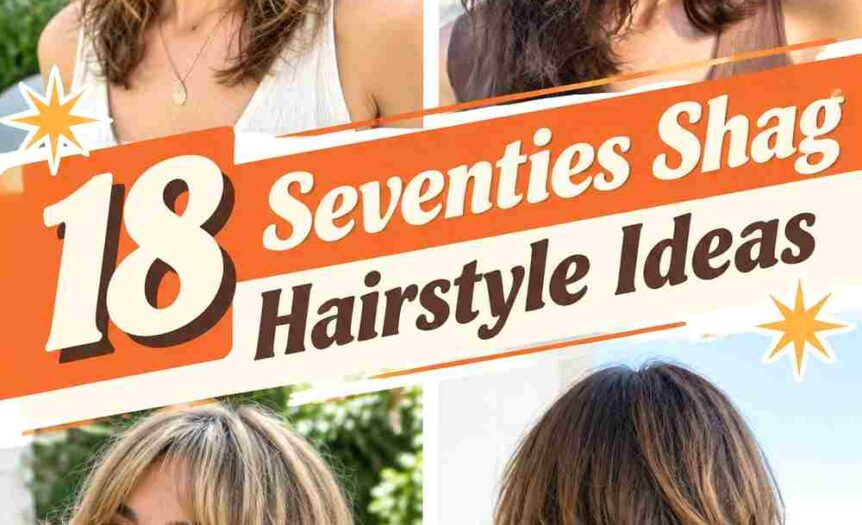
Feathered layers, airy bangs, flipped ends, and effortless volume give the seventies shag its unmistakable movement and relaxed retro character.
The seventies shag is built around layering, with shorter movement through the crown and face gradually flowing into longer pieces through the sides and back. Some versions look soft and feathered, while others emphasize choppy separation, curls, waves, or a fuller blowout.
The best version depends on your density, natural texture, preferred fringe, and how much styling you want to do. Fine hair often benefits from controlled layering that preserves the ends, while thick or wavy hair can carry more internal movement. These 18 ideas range from recognizable retro silhouettes to softer modern interpretations.
Quick List
- Classic Feathered Seventies Shag Hairstyle
- Curtain Bangs Seventies Shag Hairstyle
- Long Layered Seventies Shag Hairstyle
- Wavy Seventies Shag Hairstyle
- Curly Seventies Shag Hairstyle
- Short Choppy Seventies Shag Hairstyle
- Voluminous Blowout Seventies Shag Hairstyle
- Wispy Fringe Seventies Shag Hairstyle
- Center Part Seventies Shag Hairstyle
- Side Part Seventies Shag Hairstyle
- Razor Cut Seventies Shag Hairstyle
- Soft Feathered Seventies Shag Hairstyle
- Textured Midi Seventies Shag Hairstyle
- Flipped End Seventies Shag Hairstyle
- Layered Lob Seventies Shag Hairstyle
- Full Bangs Seventies Shag Hairstyle
- Tousled Seventies Shag Hairstyle
- Modern Seventies Shag Hairstyle
1. Classic Feathered Seventies Shag Hairstyle

The Classic Feathered Seventies Shag Hairstyle captures the era’s signature movement with shorter layers through the crown and sweeping pieces that turn away from the face. The front sections are cut to create visible separation around the cheekbones, while the longer lengths retain enough density to prevent the haircut from looking thin. A round-brush blowout brings the feathering forward, but the shape should still feel soft rather than overly set. Medium to long hair gives the layers room to cascade naturally. The most recognizable detail is the outward movement through the sides, which creates width and bounce without relying on tight curls or excessive teasing.
Styling Notes
Use a large round brush and direct the face-framing layers backward to emphasize broad feathered movement.
Best For
Medium to thick straight or wavy hair can support the layered shape particularly well.
2. Curtain Bangs Seventies Shag Hairstyle

The Curtain Bangs Seventies Shag Hairstyle pairs a center-opening fringe with graduated layers through the crown, sides, and lengths. The bangs are shortest near the center and extend toward the temples, blending into face-framing pieces that sweep outward. This creates a soft transition instead of separating the fringe from the rest of the haircut. Loose waves or a bouncy blowout can both highlight the shape, depending on how polished you want the finish. Keeping some fullness through the perimeter balances the shorter crown layers. The result feels unmistakably retro while remaining easy to adapt to modern styling and a variety of medium-to-long lengths.
Why It Works
Curtain bangs naturally echo the outward movement of a seventies shag, creating continuity from forehead to ends.
Wear & Maintenance
The fringe may need more frequent shaping than the longer layers to keep the center opening balanced.
3. Long Layered Seventies Shag Hairstyle

The Long Layered Seventies Shag Hairstyle keeps plenty of overall length while introducing shorter pieces around the crown and face. Instead of concentrating every layer near the top, the graduation continues down the hair so movement remains visible without making the lower sections overly sparse. Long face-framing pieces can sweep back from the cheekbones and jaw, creating the flowing silhouette associated with classic seventies hair. This version works well with blowouts and loose waves because both finishes reveal the different layer lengths. Keeping the longest perimeter substantial makes the haircut easier to wear straight, tied back, or lightly textured between more styled days.
Hair Type & Length
Long medium-to-thick hair gives the cascading layers enough density to remain full through the ends.
Pro Tip
Keep the lower layers longer if preserving thickness at the perimeter is a priority.
4. Wavy Seventies Shag Hairstyle

The Wavy Seventies Shag Hairstyle uses natural bends to enhance the cut’s layered structure without requiring a polished blowout. Shorter crown layers create lift, while face-framing pieces and longer lower sections allow waves to form at different levels. This variation works especially well when the hair already has an irregular wave pattern because each bend can reinforce the broken-up shag shape. The finish should look relaxed rather than perfectly uniform, with some waves turning outward and others falling more naturally. Keeping the bangs soft or slightly parted helps connect the top to the sides. Lightweight products are usually enough to encourage definition while preserving movement.
Styling Notes
Scrunch or finger-style the natural wave pattern instead of forcing every section into the same curl direction.
Best For
Naturally wavy and medium-density hair is especially suited to this relaxed interpretation.
5. Curly Seventies Shag Hairstyle

The Curly Seventies Shag Hairstyle adapts the classic layered shape to natural curls, with shorter sections creating lift around the crown and longer curls maintaining fullness through the lower silhouette. The fringe can be softly curly or parted, depending on your preferred amount of forehead coverage. Because curls shrink as they dry, layer placement should be planned around the natural curl pattern rather than stretched length. The goal is to distribute volume instead of concentrating it all through the bottom. Individual curls should retain realistic variation in size and direction, creating an energetic but balanced shape that feels inspired by the seventies without flattening the natural texture.
Hair Type & Length
Curly and coily textures can work beautifully when shrinkage, density, and dry shape guide the layering.
Pro Tip
Assess the crown and fringe when dry before removing additional length from curly sections.
6. Short Choppy Seventies Shag Hairstyle

The Short Choppy Seventies Shag Hairstyle concentrates its texture around a cropped or jaw-to-neck-length silhouette. Short layers through the crown create lift, while choppy pieces around the sides and fringe add separation and movement. The perimeter can remain slightly longer at the nape to preserve the shag’s recognizable shape without turning fully into a pixie. This version looks especially strong with natural bends or a softly tousled finish because the layers are meant to move independently. Fine hair generally benefits from less aggressive thinning, while denser hair can carry more internal texture. The result should feel energetic and light rather than excessively spiky.
Why It Works
The compact length makes the layered crown and broken-up texture highly visible from every angle.
Styling Notes
Use a small amount of lightweight texture product on selected pieces rather than coating the entire haircut.
7. Voluminous Blowout Seventies Shag Hairstyle

The Voluminous Blowout Seventies Shag Hairstyle emphasizes bounce, lift, and large outward curves through the layers. The crown gains controlled height, while face-framing sections sweep away from the cheeks and the longer pieces follow with broad movement. Rather than creating small curls, use larger sections so the shape feels airy and expansive. This version works best when the haircut retains enough density to support the volume without exposing thin ends. A center or soft off-center part can both suit the look depending on your growth pattern. The final finish should remain touchable, with natural strand detail and movement instead of stiff, over-set volume.
Styling Notes
Build lift at the roots first, then shape the face-framing layers outward with a large round brush.
Wear & Maintenance
Flexible hold helps maintain the blowout while allowing the layers to move naturally.
8. Wispy Fringe Seventies Shag Hairstyle

The Wispy Fringe Seventies Shag Hairstyle softens the classic layered cut with a lighter, separated bang across the forehead. Instead of a dense full fringe, the bangs contain small gaps and irregular pieces that blend easily into the face-framing layers. The crown remains layered for lift, while the lengths can stay wavy, feathered, or lightly tousled. This variation works well if you want a seventies-inspired silhouette without committing to a heavy fringe. Keeping the lower perimeter fuller creates contrast with the airy bangs and prevents the haircut from appearing overly thin. The fringe should move naturally rather than being pressed flat or styled into a rigid line.
Best For
Fine-to-medium straight or wavy hair can wear the lighter fringe especially well.
Wear & Maintenance
Use minimal product on the bangs and trim them periodically to preserve their airy shape.
9. Center Part Seventies Shag Hairstyle

The Center-Part Seventies Shag Hairstyle uses symmetry through the front while allowing the layers to fan outward around the face. A clean center part helps shorter cheekbone and jaw-length pieces fall evenly on both sides, creating the classic winged movement associated with seventies styling. The crown can remain softly lifted, while the lower lengths stay full enough to balance the top. A round-brush finish emphasizes the symmetry, though natural waves can create a more casual interpretation. This works especially well when the hair naturally divides near the middle, because the shape requires less daily correction and the face-framing layers can fall into place more easily.
Why It Works
The center part gives the feathered layers a balanced starting point and reinforces the retro silhouette.
Pro Tip
Direct both front sections outward with similar tension to keep the movement visually balanced.
10. Side Part Seventies Shag Hairstyle

The Side-Part Seventies Shag Hairstyle gives the layered cut a more asymmetrical, voluminous front. A deeper side part creates lift on the fuller side, allowing shorter layers to sweep across the forehead and away from the face before blending into the lengths. The smaller side can tuck slightly behind the ear or remain softly feathered. This version works particularly well if your natural growth pattern favors an off-center part. The rest of the haircut can be blown out, waved, or lightly tousled, provided the crown and face-framing layers remain visible. Keeping the lower perimeter substantial prevents the stronger front volume from making the silhouette feel top-heavy.
Styling Notes
Build the part before blow-drying so the fuller side develops lift in its natural direction.
Best For
Medium to thick straight and wavy hair can carry this more dramatic front shape especially well.
11. Razor Cut Seventies Shag Hairstyle

The Razor-Cut Seventies Shag Hairstyle emphasizes softness and separation through the ends rather than crisp, blunt layer lines. A razor can create tapered pieces around the crown, sides, fringe, and lower lengths, giving the haircut a lived-in texture that moves easily. The overall shape should still maintain enough density to avoid a stringy appearance, particularly on finer hair. Loose waves and natural bends make the tapered edges visible, while a smooth blowout can create softer feathering. This version works best when the cutting approach suits the hair’s texture and condition, since different densities respond differently to highly tapered ends.
Why It Works
The softer ends make the layers blend and move freely, reinforcing the relaxed character of the shag.
Hair Type & Length
Medium-density straight and wavy hair can show the tapered separation especially clearly.
12. Soft Feathered Seventies Shag Hairstyle

The Soft Feathered Seventies Shag Hairstyle tones down the dramatic crown and creates a gentler interpretation of retro layering. Long face-framing pieces curve away from the cheeks, while subtle layers through the sides and back provide movement without creating an aggressively choppy silhouette. A smooth blowout makes the feathered sections visible, but the haircut can also fall naturally with light waves. This version works well if you want the visual language of a seventies shag while keeping the shape polished enough for everyday wear. Preserving a fuller perimeter also makes the style adaptable to ponytails, half-up looks, and straighter finishes.
Best For
Medium to long hair works particularly well when you want retro movement without extreme crown layering.
Styling Notes
Use broad brush sections to keep the feathering soft and blended instead of sharply flipped.
13. Textured Midi Seventies Shag Hairstyle

The Textured Midi Seventies Shag Hairstyle places the layered silhouette at a versatile medium length, usually around the shoulders or upper chest. Crown layers provide lift, while the sides and lower sections include enough texture to create movement without losing the midi shape. A light fringe or parted front can both work, depending on how much face framing you want. Loose bends and a slightly piecey finish give the haircut an easy retro mood without requiring a full blowout. The medium length makes the style flexible enough for clips and low ponytails while still showing the layered structure clearly when worn down.
Hair Type & Length
Straight, wavy, and medium-density hair can adapt easily to this shoulder-skimming shag.
Pro Tip
Keep some weight through the bottom so the midi perimeter remains visible beneath the shorter layers.
14. Flipped End Seventies Shag Hairstyle

The Flipped-End Seventies Shag Hairstyle emphasizes outward movement through the lower layers and face-framing pieces. The crown stays softly layered, while the ends are styled away from the neck and shoulders to create a playful retro finish. Unlike a one-length flip, the shag produces several levels of outward movement, with shorter sections near the cheeks and longer pieces turning away lower down. A round brush or large styling tool can create the effect without making the ends stiff. Keeping the flip soft and varied prevents the haircut from looking overly costume-like while still capturing the unmistakable energy of seventies styling.
Why It Works
The multiple layer lengths create several points of outward movement, making the flip feel dimensional rather than uniform.
Styling Notes
Use flexible hold on the ends so they keep their shape while still moving naturally.
15. Layered Lob Seventies Shag Hairstyle

The Layered Lob Seventies Shag Hairstyle brings retro layering to a shoulder- or collarbone-length base. Shorter crown pieces create subtle lift, while face-framing layers sweep outward and the longer perimeter keeps the haircut grounded. This is an approachable option if you like shag texture but prefer a more substantial bottom line than a heavily layered long cut. The lob can be styled with broad waves, a feathered blowout, or loose natural bends. Keeping the bangs longer or curtain-like helps the front blend into the side layers without making the overall shape feel too short. The finished result feels balanced between retro movement and modern practicality.
Best For
Medium-density hair works especially well when you want a shag effect without losing the clean versatility of a lob.
Wear & Maintenance
Periodic shaping helps the crown layers stay distinct as the lob grows.
16. Full Bangs Seventies Shag Hairstyle

The Full Bangs Seventies Shag Hairstyle combines a denser fringe with layered movement throughout the rest of the haircut. The bangs can sit around brow level with softly textured ends, while shorter temple pieces connect them to the face-framing layers. Keeping the fringe full creates a stronger retro statement than curtain or wispy bangs, so the surrounding layers should remain balanced rather than overly busy. Waves, feathering, or a soft blowout can all work through the lengths. Medium and long hair give the fringe a contrasting backdrop, while enough density through the bottom prevents the combination of bangs and crown layers from looking top-heavy.
Styling Notes
Keep the bangs smooth enough to show their shape but avoid making them look stiff or overly blunt.
Best For
Medium-to-thick hair can support a fuller fringe while maintaining substantial layered lengths.
17. Tousled Seventies Shag Hairstyle

The Tousled Seventies Shag Hairstyle embraces irregular movement, natural bends, and a deliberately relaxed finish. The crown layers create soft lift, while the face-framing pieces and ends fall in different directions instead of being styled into perfect feathering. This works especially well on hair that already has wave or texture because the haircut can use those variations as part of the final shape. A little lightweight texturizing product can help define selected pieces, but the overall effect should remain touchable. Keeping a recognizable layered silhouette underneath the tousling prevents the style from appearing shapeless or simply messy.
Why It Works
The shag’s varied layer lengths make imperfect texture look intentional and naturally dimensional.
Pro Tip
Refresh only the crown and face-framing sections when needed instead of restyling every length.
18. Modern Seventies Shag Hairstyle

The Modern Seventies Shag Hairstyle keeps the era’s crown layers, face framing, and movement but softens the extremes for easier everyday wear. The top has enough layering to create lift without becoming overly short, while the front sections sweep away from the face and blend into fuller lengths. Texture can remain wavy, straight, or softly blown out depending on your natural pattern. The ends stay more substantial than in many heavily thinned vintage shags, giving the haircut a cleaner contemporary perimeter. This makes the style a practical choice if you want recognizable seventies influence without committing to dramatic flips, very short crown layers, or a high-maintenance fringe.
Styling Notes
Keep the face-framing movement visible while allowing the lower lengths to stay softer and more natural.
Best For
Straight, wavy, and medium-to-thick hair can all adapt well to this updated shag silhouette.
How to Choose the Right Look
Start with how much layering you want. Classic, choppy, razor-cut, and shaggy versions create more obvious separation, while soft feathered, lob, and modern variations preserve more weight through the perimeter.
Next, consider your natural texture. Wavy hair naturally supports loose shag movement, curly hair needs layers planned around shrinkage, and straighter hair can showcase feathering and flips especially clearly with a blowout.
Fringe makes another major difference. Curtain bangs create an open retro frame, wispy fringe feels lighter, and full bangs make a stronger statement. If you prefer less fringe maintenance, longer face-framing pieces may be easier.
Finally, think about daily styling. Voluminous blowouts and flipped ends require more shaping, while tousled, wavy, and textured versions can work more closely with natural movement.
Final Thoughts
A seventies shag is defined less by one exact length and more by its combination of crown movement, face-framing layers, and textured ends. You can make it soft and wearable, bold and choppy, curly, feathered, or full of blowout volume. The most practical version is one that matches your natural texture, density, and preferred level of maintenance while preserving that unmistakable layered movement.
FAQs
1. What makes a hairstyle a seventies shag?
A seventies shag typically combines shorter crown layers, face-framing pieces, textured or feathered ends, and plenty of movement through the sides and back.
2. Do seventies shags need bangs?
No. Curtain bangs, wispy fringe, and full bangs are common options, but a shag can also use longer face-framing layers with no traditional fringe.
3. Can curly hair wear a seventies shag?
Yes. Curly hair can work beautifully with shag layering when the cut accounts for shrinkage, density, and the natural distribution of volume.
4. Is a seventies shag high maintenance?
It depends on the finish. Blowouts and flipped styles require more regular shaping, while wavy, curly, and tousled versions may work more naturally with existing texture.
5. Can fine hair wear a seventies shag?
Yes, but layering should usually be controlled so the ends retain enough density. Softer feathered or lightly layered versions may be easier to balance than extremely choppy cuts.
Save your favorite seventies shag hairstyle ideas, share them for inspiration, and explore more layered retro haircut ideas for your next look.
Protect your hair while you sleep with the YANIBEST Silk Bonnet. This double-layer satin bonnet reduces friction and prevents frizz, keeping your natural curls looking gorgeous every morning. The adjustable design ensures it stays on all night without slipping off!