#Winter #Hiking #Outfits #Snowy #Trails
Winter hiking demands layers that move with you, block wind, and keep you warm without weighing you down. Whether you are breaking trail on a snowy summit or taking a brisk forest loop, the right outfit makes the difference between a chilly slog and a comfortable day outside.
This guide covers 33 real winter hiking looks, from waterproof shells and insulated puffers to fleece mid-layers and thermal base tops. You will see how colors, cuts, and accessories work together for cold-weather trails, so you can build your own go-to kit with confidence.
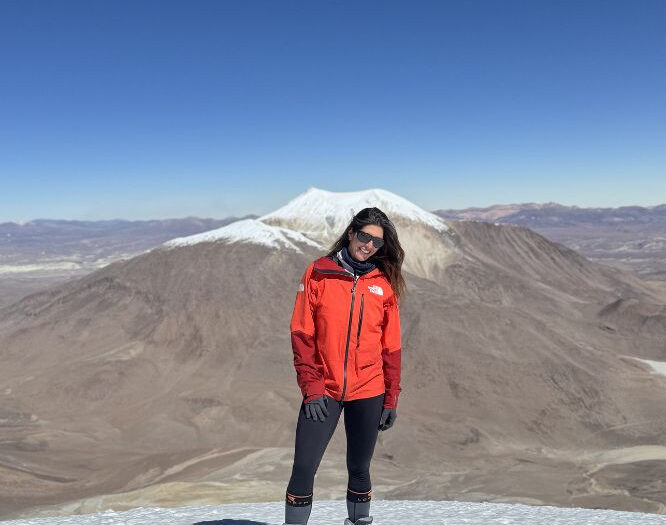
Vibrant Red Waterproof Jacket for Snowy Summit Hikes

A red waterproof jacket does more than just stand out against snow—it lets your group spot you from a distance. This fitted style, with its synthetic shell and black base layer underneath, keeps the silhouette clean without adding bulk. Black fleece-lined leggings and sturdy hiking boots complete the look, while sunglasses and gloves handle glare and cold. Styling principle: when your hero jacket is this bright, keep supporting layers neutral to let the color do the work.
Layered Orange Technical Jacket for Outdoor Training

An orange hooded jacket in technical fabric does double duty: it’s highly visible and built to move. The fitted cut works with a matching orange cap and black athletic shoes for winter training or fast-paced hikes. Mesh panels in the fabric add breathability without sacrificing warmth. Styling principle: a monochromatic color scheme (here, shades of orange and black) simplifies layering and keeps the hero piece the focus.
Olive Puffer Jacket with Red Beanie for Winter Trails

This outfit proves that hiking gear can be practical and intentional. The olive green puffer jacket, fitted and filled with insulation, pairs with a red knit beanie and dark base layer for a color pop that doesn’t scream for attention. Sunglasses and the jacket’s own high collar handle wind and glare. Styling principle: use one colorful accessory—here, the red beanie—to add personality to a neutral-toned puffer without overwhelming the look.
Light Blue Puffer with Burgundy Beanie in Snowy Forest

A light blue puffer jacket in a relaxed fit is the kind of piece that makes winter hiking feel less like a chore. The puffer material traps heat, while the burgundy beanie adds a warm-toned contrast. Black hiking boots and a black backpack keep the palette grounded. Styling principle: a relaxed-fit puffer allows for a thick mid-layer underneath without restricting movement on the trail.
Bright Orange Hooded Jacket for Snowy Mountain Hikes

For snowy mountain hikes, this outfit is a study in high-visibility layering. The fitted orange hooded jacket in technical fabric is the anchor, paired with a grey knit beanie, sunglasses, and black gloves. Black hiking boots tie the look together for a clean, functional finish. Styling principle: in snow, a bright jacket serves as both safety gear and style statement—keep the rest of the outfit dark to avoid visual chaos.
Red Quilted Half-Zip Top for Flexible Winter Hikes

A red waterproof jacket is the kind of piece that does double duty on a snowy summit: it keeps the weather out and makes you easy to spot if the trail gets busy. The color is loud on purpose, and that is exactly the point when the landscape turns white. Look for a cut that leaves room for a mid-layer underneath, because the most useful winter jacket is the one that fits over a fleece without feeling like a straitjacket. Pair it with dark pants and sturdy boots, and let the jacket carry the look. The principle here is simple: in winter, visibility is a feature, not a flaw.
Color-Blocked Navy and Light Blue Hiking Jacket

An orange technical jacket is the workhorse of a winter training wardrobe, and this one proves that function can still look sharp. The color is energetic without being childish, and it photographs well against grey skies. Wear it over a thin base layer when you are moving fast, or add a fleece underneath when the pace slows. The jacket’s technical fabric handles wind and light snow, so you can focus on the workout rather than the weather. The styling principle: when a jacket is this functional, let it be the hero and keep the rest of the outfit quiet.
Dark Green Waterproof Jacket for Cold Mountain Hikes

An olive puffer jacket with a red beanie is a winter trail uniform that actually works. The olive is neutral enough to blend with the woods, while the red beanie adds a pop of color that lifts the whole outfit. The puffer’s quilting provides warmth without the bulk of a heavy parka, and the beanie keeps your ears warm when the wind picks up. This is a look for the hiker who wants to feel put together even when the trail is muddy. The takeaway: a bright accessory can turn a basic puffer into a statement.
Navy Puffer Coat with Hood for Snowy Landscapes

A light blue puffer with a burgundy beanie is a surprisingly chic combination for a snowy forest. The pastel blue softens the harsh winter light, while the burgundy adds a rich, warm contrast that feels intentional. The puffer is lightweight enough to move in, and the beanie keeps your head warm without messing up your hair. This is a look for the hiker who wants to be practical but still look like they put in some effort. The principle: don’t be afraid to mix a cool pastel with a warm jewel tone in winter.
Layered Grey Fleece and Hooded Jacket for Trekking

A bright orange hooded jacket is the ultimate safety statement for a snowy mountain hike. The color is impossible to miss, which is reassuring when you are on a trail with limited visibility. The hood adds extra protection against wind and snow, and the jacket’s cut allows for easy layering underneath. This is a piece for the hiker who values function over fashion but still wants to look sharp. The styling principle: when you are in a whiteout, a bright jacket is both a fashion choice and a safety tool.
Teal Waterproof Jacket with Black Gloves Detail

A waterproof jacket is only as good as its details, and this teal number earns its keep with a pocket designed to hold your gloves. The fitted silhouette keeps the bulk down under a pack, while the black long-sleeve base layer underneath handles the moisture management. The contrast between the bright teal shell and the black accessories keeps the look intentional without trying too hard. One useful principle: when your jacket has a dedicated glove pocket, use it — it saves you from digging through a backpack on a windy ridge.
Grey Fleece Jacket and Pants with Purple Accents

This is the outfit for the person who wants to be seen on the trail without shouting. The grey hooded fleece jacket keeps things low-key, but the purple fleece pants and matching purple backpack add a coordinated pop of color that reads as intentional. Grey hiking boots ground the look, and the grey gloves and purple scarf complete the layering. The relaxed fit of the jacket allows for easy movement and room for a base layer underneath. One useful principle: when you match an accent color across both your pants and your pack, the whole outfit feels pulled together even if the jacket is neutral.
Green Waterproof Jacket with Black Accents for Outdoors

A green hooded waterproof jacket with black accents and zippers is the kind of workhorse piece that doesn’t need to shout. The black details break up the block of color and give the jacket a technical, purposeful look. Against a plain background, the jacket’s clean lines and functional hood speak for themselves. This is a solid choice for anyone who wants reliable weather protection without a lot of fuss. One useful principle: black zippers and accents on a colored jacket create a visual frame that makes the silhouette read sharper, especially in flat winter light.
Long Black Puffer Coat and Orange Beanie for Snowy Trails

A long black puffer coat is the ultimate cold-weather armor, and this oversized version gives you room to layer a sweater or fleece underneath without feeling constrained. The orange beanie is the smartest move here — it adds a shot of warmth to an otherwise all-black look and makes you visible against a snowy backdrop. A scarf and gloves complete the protection, and the coat’s length means your lower half stays covered even when you’re bending to adjust a boot. One useful principle: on snowy trails, a bright beanie is the cheapest safety accessory you can buy — it helps your hiking partners spot you against the white.
Teal Ripstop Nylon Jacket for Winter Hiking Protection

Ripstop nylon is the fabric that keeps going when you snag it on a branch, and this teal jacket puts that durability front and center. The fitted silhouette works well under a pack, and the smooth lining makes layering over a black long-sleeve base layer effortless. The cream accents on the jacket soften the technical vibe just enough to keep it from feeling like pure gear. One useful principle: ripstop nylon is worth the investment if your hikes involve tight brush or rocky scrambles — the reinforced weave stops small tears from becoming big problems.
Blue Puffer Jacket with Patterned Headscarf for Cold Weather

A blue puffer jacket is the kind of piece that does the heavy lifting without asking for much in return. Here, its fitted silhouette keeps the look streamlined, while a patterned headscarf in teal and purple adds personality and practical warmth for your ears and neck. The palette stays cool and intentional, making this an easy outfit to pull together for a day on the trails. A useful principle: when your outer layer is a solid block of color, let your accessory do the talking.
Light Green Parka with Fur-Lined Hood and Beige Boots

This light green parka brings a soft, unexpected color to the winter hiking wardrobe, and the fur-lined hood reads as both cozy and polished. Paired with black leggings and beige hiking boots, the outfit balances coverage and ease of movement. It’s the kind of look that works for a brisk trail walk or a casual outdoor errand. A useful principle: a parka with a lined hood saves you from having to pack a separate hat or scarf.
Purple Fleece Jacket with Hiking Poles and Pink Accents

A purple fleece jacket is the hero here, and the pink headband and gloves prove that a little contrast goes a long way. The fitted fleece layers easily under a backpack, and the hiking poles suggest this outfit is built for actual mileage, not just a photo op. The purple-and-pink combo keeps the mood playful without sacrificing function. A useful principle: when your fleece is the main layer, choose accessories in a complementary accent color to tie the look together.
Black Waterproof Jacket with Grey Drawstrings for Cold Weather

A vivid red waterproof jacket does the heavy lifting on a snowy summit day. The color keeps you visible against white trails while the clean shell blocks wind and wet snow. Pair it with slim dark leggings and insulated boots for a streamlined silhouette that moves well on packed snow. A red jacket this bright carries the whole outfit, so let it stay the hero and keep the rest quiet. One principle that holds up: when your outer layer is this loud, let it do the talking and keep accessories tonal.
Black Puffer Jacket with Fleece Gloves and Sunglasses

A black puffer jacket is the reliable workhorse of any winter wardrobe, but the real hero here is how it plays supporting role to accessories that actually earn their keep. The fitted silhouette keeps the cold at bay without adding bulk, while black fleece gloves and sunglasses handle the elements with quiet competence. Black hiking boots with grey and pink accents ground the look. The styling principle: when your jacket does the heavy lifting, let your accessories match its seriousness — no frills, just function.
Blue Fleece Half-Zip Top with Hiking Boots for Trail Warmth

This is the outfit for the hiker who wants to move without thinking about what they’re wearing. A blue fleece half-zip top in a relaxed cut layers easily over a base, while black leggings keep the silhouette streamlined for actual trail work. Hiking boots finish the look with no-nonsense grip. The audience is anyone who values warmth that breathes and a palette of blue, black, and grey that won’t show trail dust. The principle: fleece is your best friend for active winter layers — it traps heat without trapping sweat.
Black Puffer Jacket with High Collar for Winter Hikes

A black puffer jacket with a high collar is the kind of piece that makes you wonder why you ever settled for less. The fitted cut means no wind sneaking in, and the high collar does the job of a scarf without the extra bulk. Sunglasses and a ring add a touch of personality, but the jacket remains the star. The styling principle: a high collar is a small detail that changes everything — it cuts wind chill and elevates the whole look from basic to intentional.
Vibrant Red Fleece Pullover for Layered Winter Hikes

This red waterproof jacket does the heavy lifting on a snowy summit hike. The saturated hue keeps you visible against whiteout conditions, and the clean shell lines mean you can layer a fleece underneath without looking like a marshmallow. Pair it with insulated black pants and sturdy boots for a balanced silhouette. The principle here: when your outer layer is this vivid, keep the rest quiet so the color does the talking.
White Fleece Jacket with Beige Backpack Straps on Trail

An orange technical jacket works hardest when it is the middle layer. Over a thin base layer and under a lightweight shell, it traps warmth without adding bulk. The high-visibility color helps you stay spotted on open trails, and the full-zip front makes temperature control simple when the pace picks up.
Purple Fleece Jacket with White Base Layer for Cold Hikes

An olive puffer with a red beanie is the kind of pairing that looks accidental but reads intentional. The puffer holds the warmth; the beanie adds the pop. Keep the rest of the outfit in neutral tones so the color contrast does the talking. This is a solid choice for a casual winter trail where you want to stay warm without looking like you are heading to base camp.
Beige Parka and Black Boots for Snowy Trail Adventures

A beige parka is the kind of hero piece that does the heavy lifting without demanding attention. Here, it’s paired with black hiking boots, dark pants, a black beanie, and black gloves—a palette that lets the coat’s warm neutral stand out. The relaxed silhouette works for snowy trails where you need room for a mid-layer. A blue backpack adds a functional pop. Styling principle: when your outerwear is a neutral like beige, keep accessories in a single dark tone to maintain a clean, intentional line from head to toe.
Black Thermal Long-Sleeve Shirt for Base Layer Warmth

A black long-sleeve thermal shirt with grey contrast stitching is the unsung hero of any winter hiking outfit. The fitted silhouette means it layers smoothly under a fleece or shell without adding bulk. This is the piece you reach for when you want warmth that stays invisible—no fuss, no extra volume. It suits anyone who prioritizes function over flash on the trail. Styling principle: contrast stitching on a base layer adds visual interest without compromising its ability to disappear under outer layers.
Two-Tone Purple and Grey Jacket for Outdoor Activities

A two-tone purple and grey jacket brings personality to outdoor activities without screaming for attention. The color-blocked design breaks up the silhouette, which can be flattering for shorter torsos or anyone wanting to add visual structure. It’s a practical pick for hiking when you want something that performs but also looks considered. Styling principle: a two-tone jacket creates a natural waistline effect, so pair it with solid-color pants to let the jacket’s contrast do the work.
Dark Blue Winter Parka with Cream Lining for Cold Weather

A parka this substantial earns its keep on the coldest days. The dark blue shell is a classic winter shade that hides trail dirt well, while the cream lining and faux fur trim add a touch of warmth that feels more luxe than purely technical. The open front shows off the functional pockets and adjustable toggles, which are the kind of details you actually use when you need to cinch things down against a gust. The principle here is that a high-quality parka does double duty: it protects you from the elements and keeps you from having to layer like you’re moving house.
Grey and Black Color-Blocked Jacket with Hood for Hiking

This color-blocked jacket is for the hiker who wants to look put-together without trying too hard. The grey and black panels break up the silhouette in a way that’s more interesting than a solid tone, and the hood and zippered pockets are exactly what you need for a winter trail where you might stow gloves or a phone. It’s a practical choice for someone who values function but doesn’t want to sacrifice a clean, modern aesthetic. The overall effect is sporty and intentional, suited for a day hike where you’ll be moving steadily and want gear that keeps up without fuss.
Black Thermal Top and Leggings for Winter Trail Comfort

A fitted black thermal top is the kind of hero piece that does the heavy lifting without making a fuss. Here, the ribbed knit adds just enough texture to keep a monochrome base layer from feeling flat, while the matching black leggings extend that streamlined silhouette from hip to ankle. The whole look is pure utility—no zippers, no hoods, no extra bulk—which makes it ideal for high-output winter hikes where you want to move freely and trap warmth close to the skin. If you are layering under a shell or vest, this is the foundation that won’t fight you. The single useful principle: when your hero piece is a base layer, let the fit be your guide—too loose and you lose insulation, too tight and you restrict circulation.
Light Purple Waterproof Jacket for Winter Sports

A light purple waterproof jacket is the surprise pop of color that makes a snow-covered trail feel less like a chore and more like an event. Here, it is paired with dark blue pants and black accessories—a beanie and gloves—so the jacket stays the undisputed focal point. The fitted silhouette means it works for active pursuits like snowboarding or fast-paced hiking, where you do not want fabric flapping around. Goggles complete the sporty vibe, and the soft-shell construction suggests this piece can handle wet snow without weighing you down. For anyone who thinks winter outerwear has to be drab, this is proof that visibility and style can coexist. The takeaway: a bright waterproof shell is as much about safety on the trail as it is about making a statement.
Camel Coat and Grey Cardigan for Chic Winter Hikes

A camel coat is not the first thing that comes to mind for a winter hike, but this oversized version, layered over a grey cardigan and cream turtleneck, makes a convincing case for bringing a little polish to the trail. The straight-leg pants and black boots keep the foundation practical, while the grey scarf adds warmth without bulk. The palette—camel, cream, grey, black—is restrained enough to feel intentional, not costume-y. This is an outfit for a leisurely winter walk, not a summit push, and it works because the coat is roomy enough to allow for movement and layering underneath. The principle: an oversized coat can double as a hiking layer if the fabric has some give and the silhouette leaves room for a mid-layer underneath.
Final Thoughts
Across these 33 winter hiking outfits, a few practical lessons stand out. Start with a moisture-wicking base layer, add an insulating mid-layer like fleece or puffer, and finish with a waterproof or wind-resistant shell when conditions demand it. Bright colors improve visibility on snowy trails, while neutral tones blend into the landscape. Accessories such as beanies, gloves, and scarves protect exposed skin, and sturdy boots with good traction keep you steady on icy ground. The key is flexibility: choose pieces you can add or remove as temperatures shift. One final takeaway: a well-layered winter hiking outfit is not about bulk but about smart combinations that keep you dry, warm, and ready for the trail ahead.
Protect your hair while you sleep with the YANIBEST Silk Bonnet. This double-layer satin bonnet reduces friction and prevents frizz, keeping your natural curls looking gorgeous every morning. The adjustable design ensures it stays on all night without slipping off!